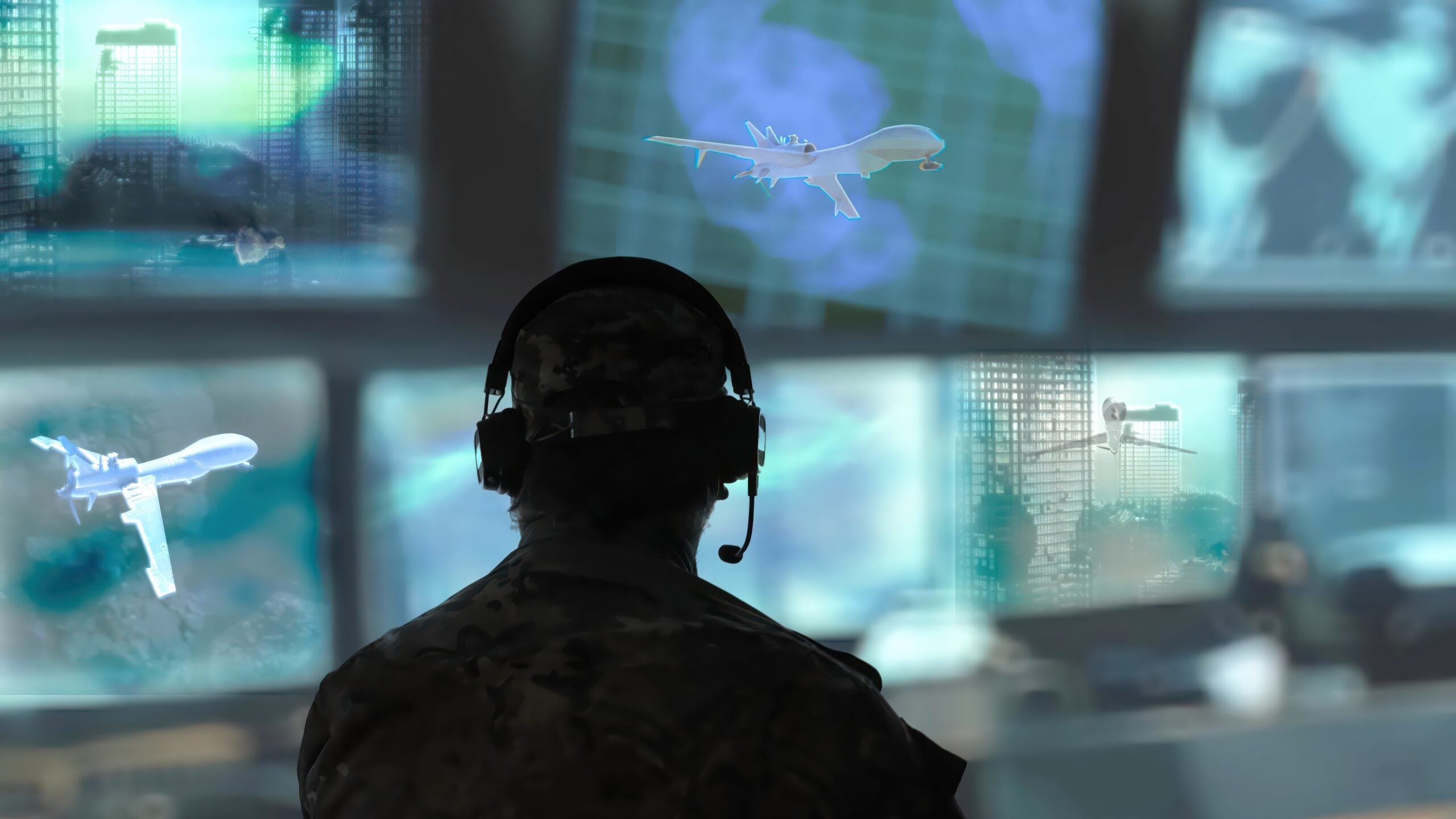
The private defense industry is entering one of its most transformative periods in decades. Artificial intelligence, autonomous systems, advanced manufacturing, secure communications, and digital engineering are changing not only how organizations operate—but also how the facilities supporting those missions are planned, designed, and built.
As technology becomes increasingly integrated into every aspect of the built environment, planning decisions can have a lasting impact on security, operational readiness, scalability, and long-term performance. That is why more organizations are emphasizing the development of a comprehensive technology strategy before facilities construction begins.
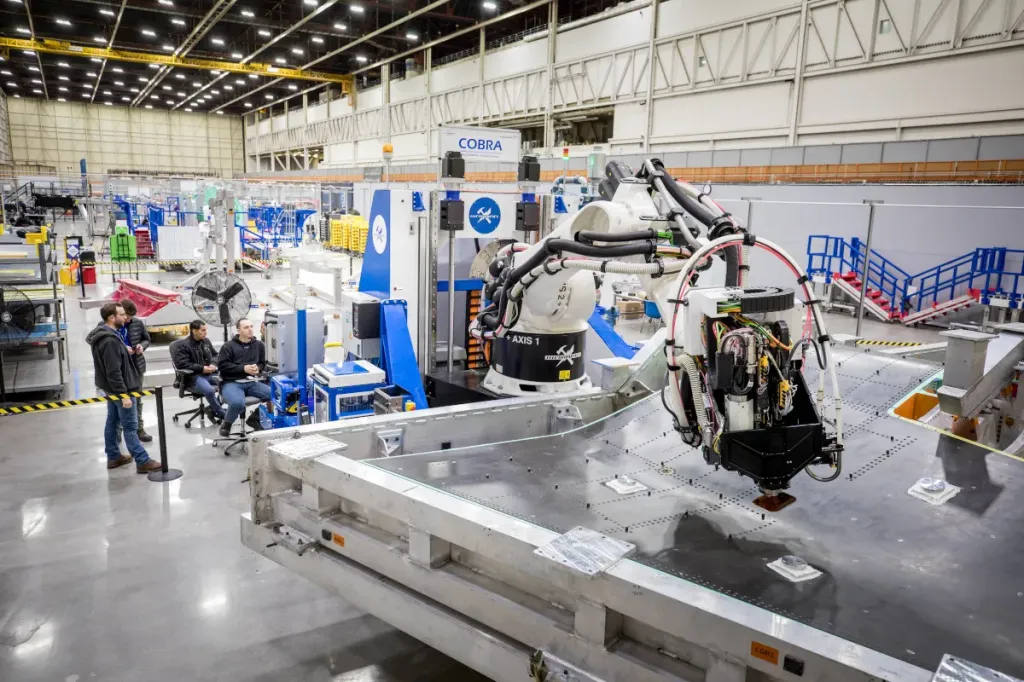
One of the most important considerations is maintaining an objective perspective. Technology infrastructure represents a significant long-term investment, and selecting the right approach requires balancing current operational needs with future growth. An independent technology approach focused on mission requirements rather than specific manufacturers or products helps teams make informed decisions with confidence.
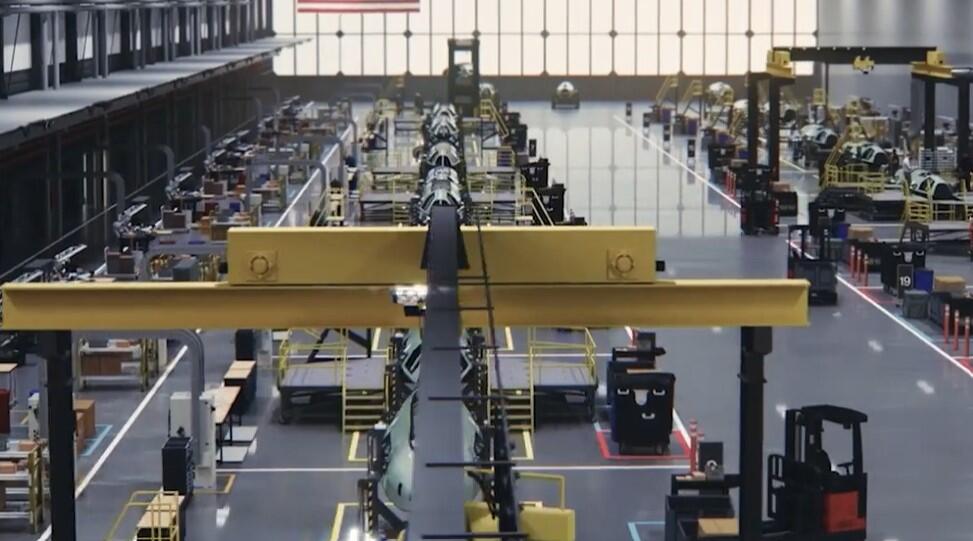
Equally important is designing technology as an integrated ecosystem. Communications, physical security, audiovisual, wireless, data infrastructure, and mission-critical systems no longer operate independently. Coordinating these systems early with architects, engineers, construction teams, and stakeholders reduces project risk, improves coordination, and creates facilities better prepared for changing operational demands.
As missions expand and technology continues to evolve, flexibility becomes just as valuable as performance. Infrastructure designed with scalability in mind lets organizations modernize, add new capabilities, and support growth without unnecessary disruption or costly rework. The result is technology that continues delivering value long after a facility opens its doors.
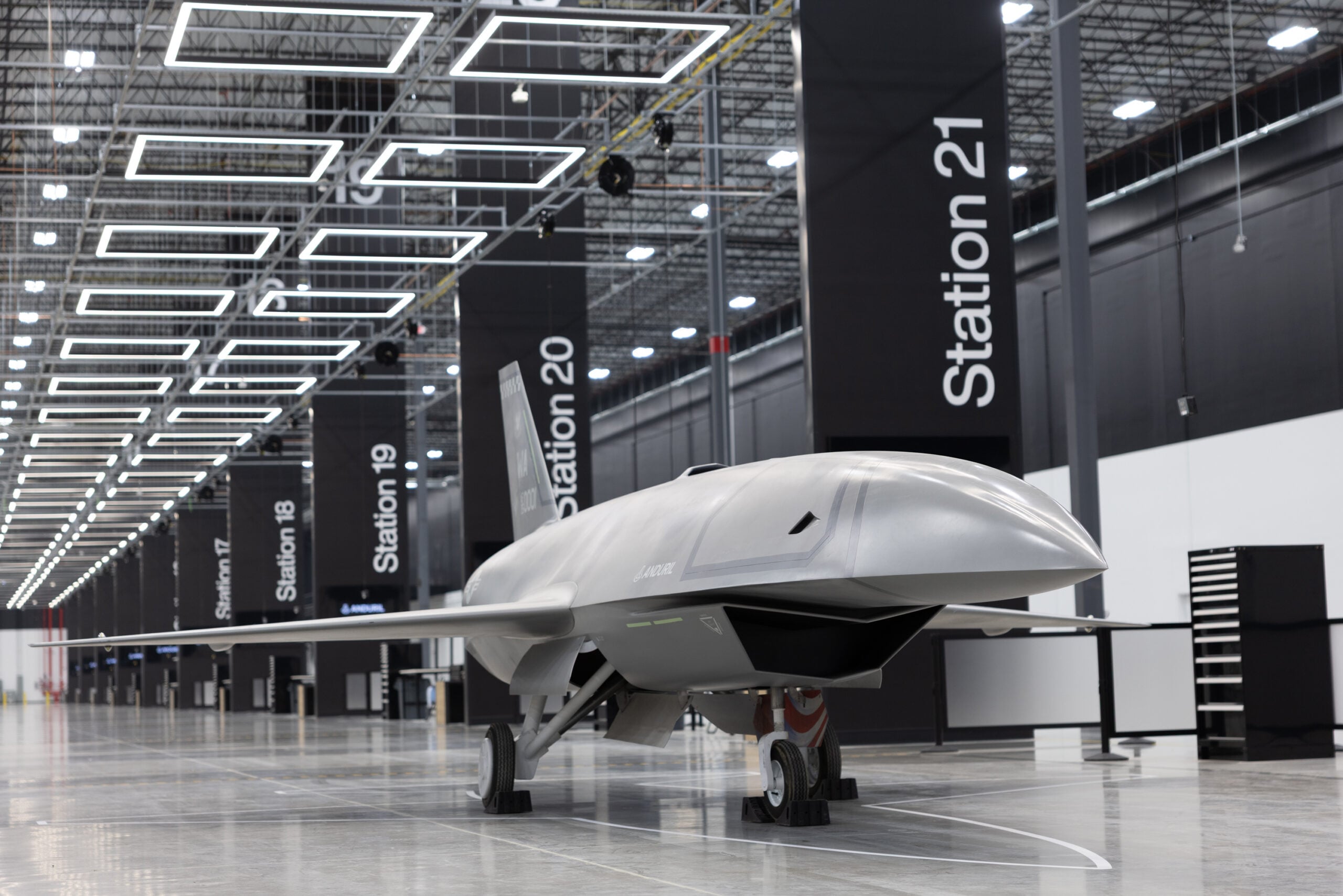
For organizations planning the next generation of defense facilities, success is no longer defined by installing the latest technology. It comes from making informed decisions early, integrating systems thoughtfully, and building an infrastructure that is secure, adaptable, and ready for whatever comes next. That philosophy reduces risk, improves project outcomes, and positions facilities to support both today’s mission and tomorrow’s opportunities.
Click Here for information about PLANNET’s Building Technology Design services or to schedule a complimentary consultation with PLANNET’s experts.